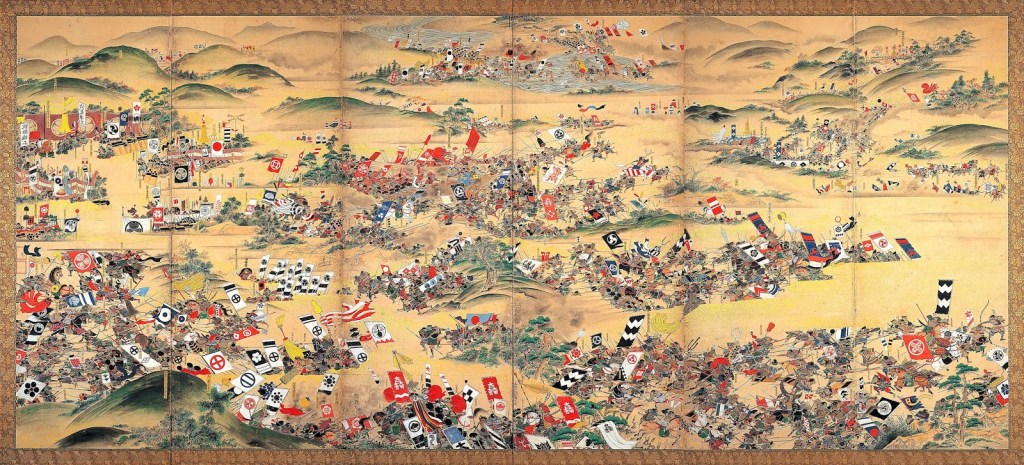
In The Wolf’s Path: Ronin, I wanted to create a world that resembled Japan during the Sengoku era (1465-1615) as faithfully as possible. However, this is a grimdark fantasy novel (characterized by morally ambiguous characters and a darker, more realistic tone) set in the fictional empire of Izumo. Fans of the samurai world will find numerous parallels, but also creative liberties.
One of the most challenging decisions involved the characters’ names. Many samurai names used four syllables (Tadakatsu, Yoshimasa, Tsuneyasu, etc.), making them difficult for easy reading. Combined with the frequent repetition of syllable clusters like tada, masa, yoshi, kage, naga, etc., many names are not only long but can appear too similar. For example, in the historic Asakura clan we can find Takakage and Kagetaka, among a dozen warriors whose names began or ended with kage:
- Kageakira
- Kagetaka
- Kagetake
- Kagetoshi
- Kagetsura
- Norikage
- Sadakage
- Takakage
- Toshikage
- Ujikage
- Yoshikage
This pattern occurs with other combinations across different historic clans as well.
To avoid confusion and improve readability, I chose to use Japanese names that would be more familiar to the average reader, even if they were anachronistic.
For example, most of the female characters in the novel have names ending in “ko”—something common today but rare during the Sengoku era, when the prefix “o” was preferred for women. However, while using the prefix “o” before women’s names would add authenticity, having nearly all female characters begin with the same letter would create the same identification problems and hinder readability.
Another option would have been to use surnames or clan names, but when multiple characters from the same clan interact, given names are necessary to distinguish them. However, when a character is the only family member who appears in the novel, I’ve occasionally used only their surname.
To strike a balance, minor characters retain period-appropriate names, while recurring characters use more accessible names and, in some cases, invented ones. I employed the Japanese syllabary to create unfamiliar combinations, particularly for clan names (Natsaka, Makojo, etc.) and certain characters, primarily Zasuro.
I hope readers will forgive the anachronisms and other liberties I’ve taken in this regard. After all, this isn’t a historical novel, but a grimdark fantasy work where I hope these details fade into the background in favor of a compelling story.


 Robert Nakamura
Leave a comment