-
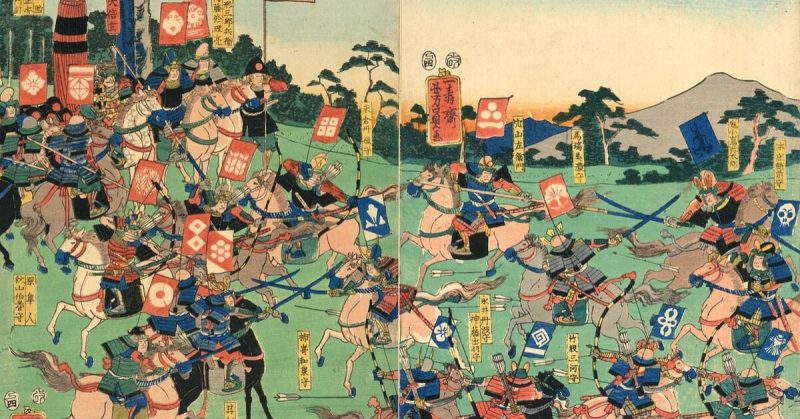
Some of my beta readers have mentioned that while they enjoyed The Wolf’s Path: Ronin, they would have preferred a single POV over multiple perspectives, or a tighter cast of characters instead of a story woven through a web of viewpoints. It’s fair criticism, but when I think of a single story, centered on one
-
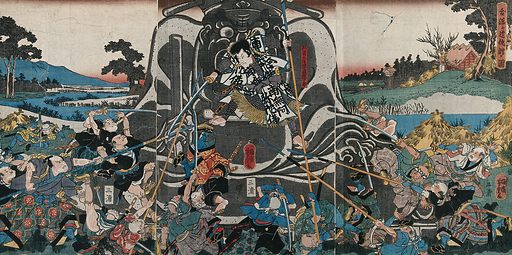
My novel’s cover is almost ready, but I still need to write the back cover text. This is what I came up with so far. As the Izumo Empire falls into ruin, Takeshi the Wolf leads the Hachiman Dogs: ronin who burn villages for coin, leaving corpses in their wake. When they slaughter a priest
-
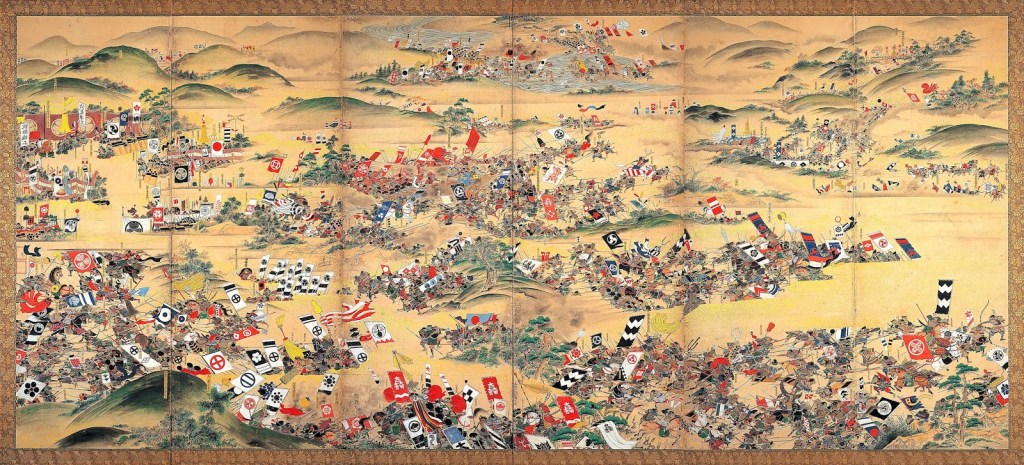
In The Wolf’s Path: Ronin, I wanted to create a world that resembled Japan during the Sengoku era (1465-1615) as faithfully as possible. However, this is a grimdark fantasy novel (characterized by morally ambiguous characters and a darker, more realistic tone) set in the fictional empire of Izumo. Fans of the samurai world will find
-
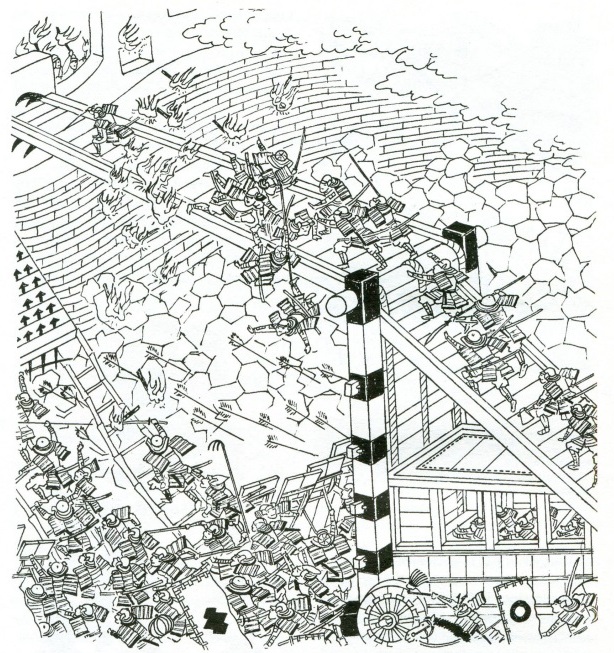
The second chapter of The Wolf’s Path: Ronin plunges readers into a fierce battle as Zasuro leads the Natsuka clan’s assault on a Yushima clan castle. During this siege, Sengoku-era weapons and equipment appear that many readers won’t be familiar with. Which siege weapons are authentic to the period, and which are creative liberties? The
-

The original/historically appropriate name was Rin. See The Challenge of Sengoku Names for an explanation of name choices. The Hachiman Dogs aren’t just a band of warriors, but also include a female section. While most serve in logistical support roles, five women regularly get their hands bloody in different capacities. In this article we’ll examine
-
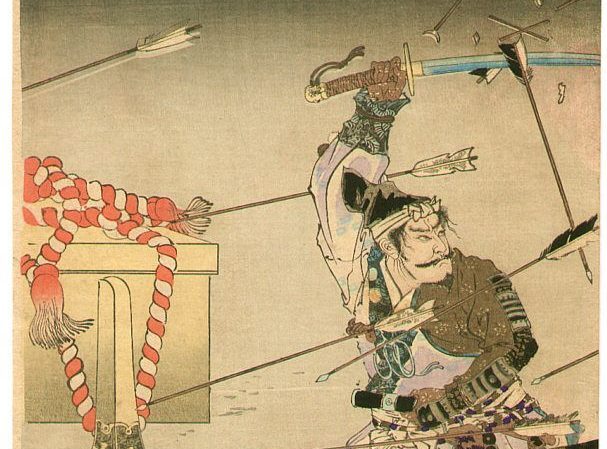
Early in the novel The Wolf’s Path: Ronin, Takeshi defeats several samurai while escaping from Yasuda village. How plausible are the feats described? I wanted the protagonist, a living legend like Takeshi, to display skill at the very limit of human capability. Through Jiro’s eyes, we first learn the ronin’s reputation: a man wanted in
-
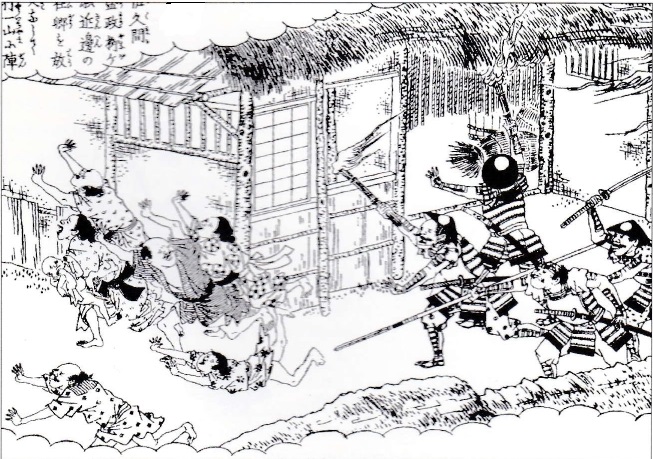
The Wolf’s Path: Ronin opens its first chapter with the Hachiman Dogs sacking a village and putting everyone to the sword; Takeshi singing a harvest tune in the midst of the carnage while arrows pass mere inches from his head. An assignment from the Asaka clan to deprive their rivals of supplies. Could something similar
-

Comprising hundreds of well-equipped ronin and even including a cavalry unit, the band led by Takeshi the Wolf would have been an anomaly during the Sengoku period. While bandit groups with horses did exist, their numbers (from what I’ve been able to research) never reached such heights. The closest historical precedent would be the “Wildcats.”
-
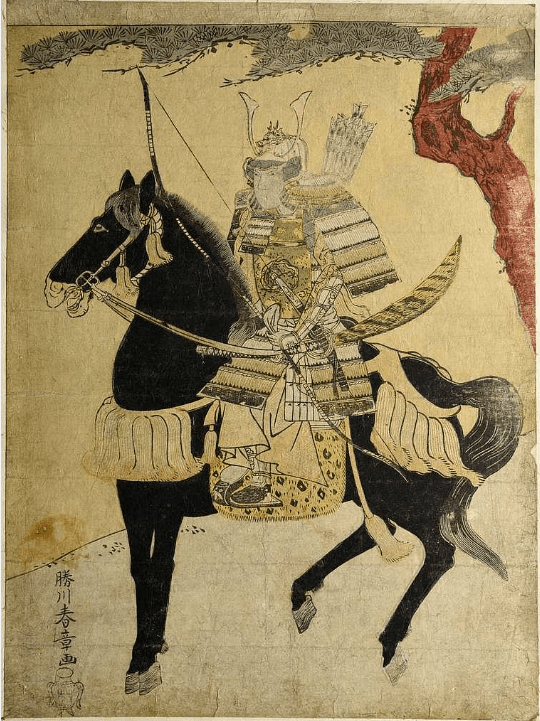
In a cruel and ruthless world, Zasuro stands out with his unwavering sense of duty and justice: a ray of light cutting through the darkness. Numerous characters find themselves irresistibly drawn to this charismatic prince who grew up as a hostage among his enemies before returning to his people in a daring escape. He’s a
-
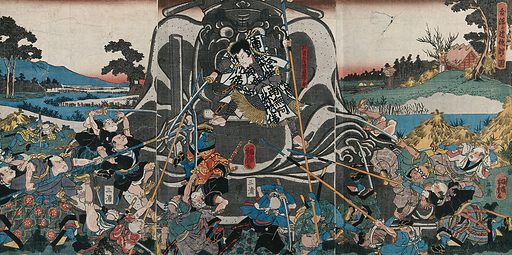
In writing this novel, I broke several rules that every aspiring writer hears from books, courses, and mentors. One of the big ones? Create a protagonist readers can easily relate to. Save the other types, they said, for when you’ve got more experience or a solid track record. I almost centered the novel on a
About this site

Welcome to my website. On this site you will find information about my published works (characters, historical details, sources of inspiration, etc.) as well as articles about Sengoku Jidai and samurai history.
Contact
JOIN THE BATTLE
Get notified when The Wolf’s Path: Ronin is available. Brutal samurai warfare meets cosmic horror in this grimdark fantasy debut.

 Robert Nakamura