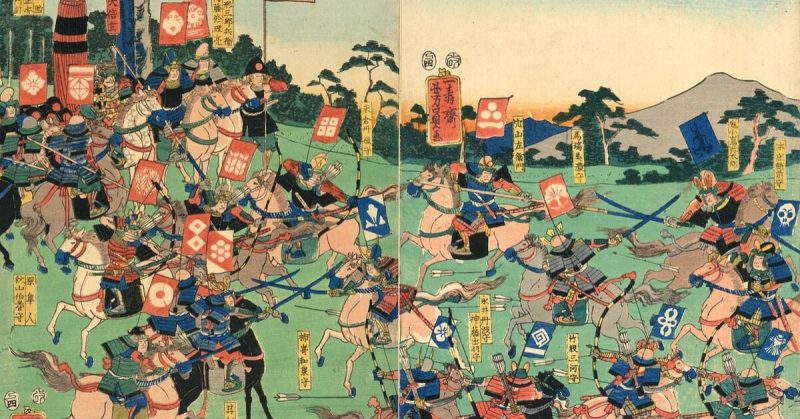
When Western readers think of samurai stories, the image that comes to mind tends to be a lone warrior on a personal journey: one protagonist, one quest, one perspective held tight from the first page to the last. It’s a powerful structure, and it defines much of the samurai literary tradition, from Shūhei Fujisawa’s intimate portraits of Edo-era retainers to the lone-swordsman cinema of Zatoichi. But that structure is, almost without exception, an Edo-era structure, set in a period of consolidated power, centralized authority, and well-defined hierarchy.
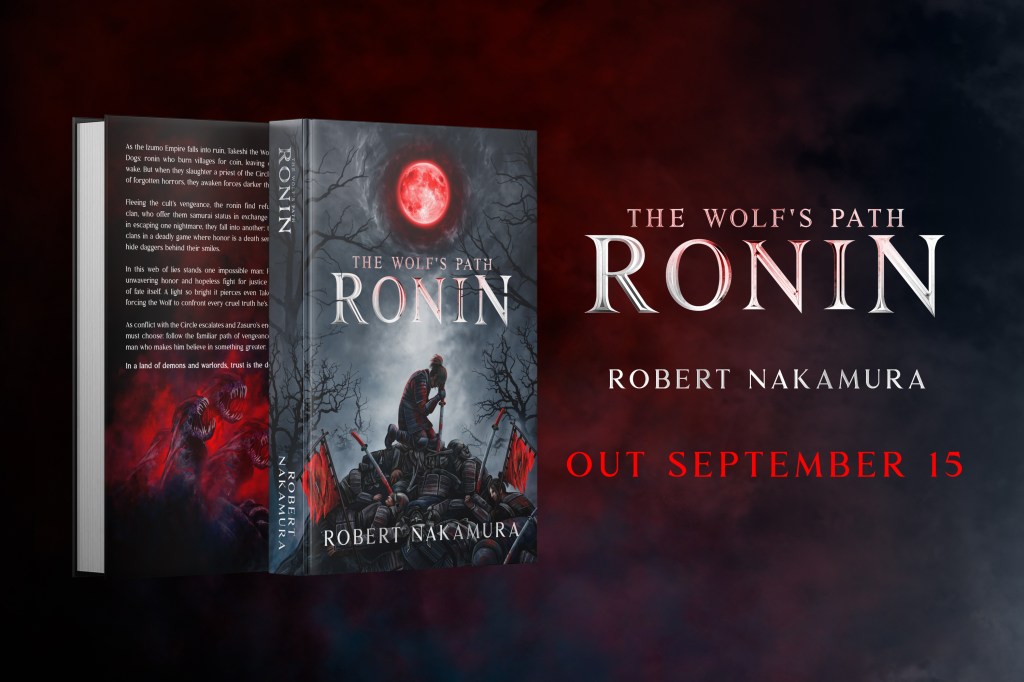
Ronin: The Wolf’s Path is set in a Sengoku-inspired world, and the Sengoku era was nothing like that. Lee A. Butler, reviewing Mary Elizabeth Berry’s The Culture of Civil War in Kyoto, put it bluntly:
The problem with Sengoku Japan (let us be frank about it) is that there were too many daimyo. Not only daimyo, but shoguns, kanrei, and kokujin, too: few of whom wielded enough power for sufficient time to hold our attention. The result is that the period we routinely characterize as “pivotal” and “transitional” remains poorly understood.
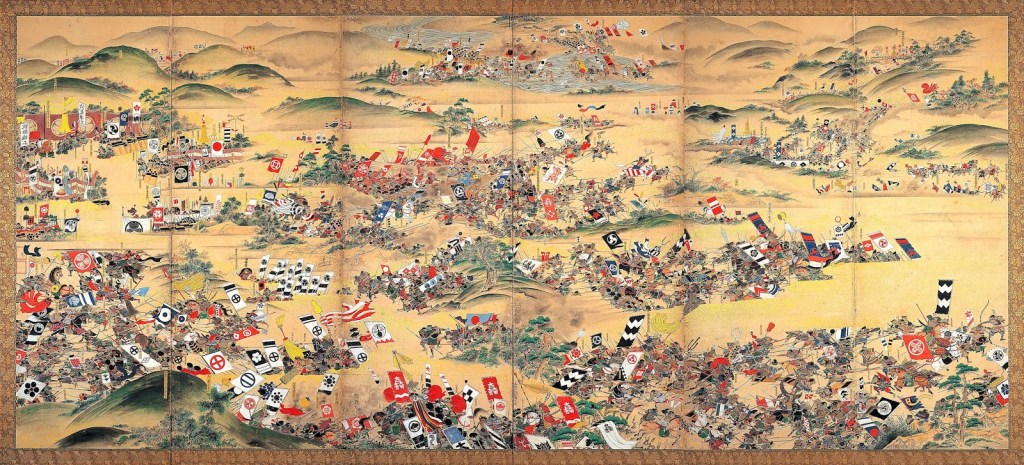
Too many daimyo. Too many power centers, each clawing for dominance, each rising and falling on a timeline measured in seasons rather than reigns. That instability is precisely what makes the Sengoku era so compelling, and what separates it from the more orderly worlds that came after. Compressing it into a single point of view would flatten the very thing that gives the period its texture.
That’s why the novel moves through a web of perspectives rather than following one character. The ronin leader who burns villages for coin sees a different empire than the idealistic prince who refuses to compromise his honor; the kunoichi on a covert mission sees yet another. None of them holds the full picture. None of them can. That’s the point. The reader, navigating between viewpoints, ends up understanding the world more completely than any single character inside it.
What this novel offers isn’t the comfort of a single hero’s path, but the disorientation (and the strange clarity) of watching a collapsing empire through many eyes at once. That disorientation is the Sengoku era doing exactly what it always did to the people who lived through it.


 Robert Nakamura
Leave a comment