-

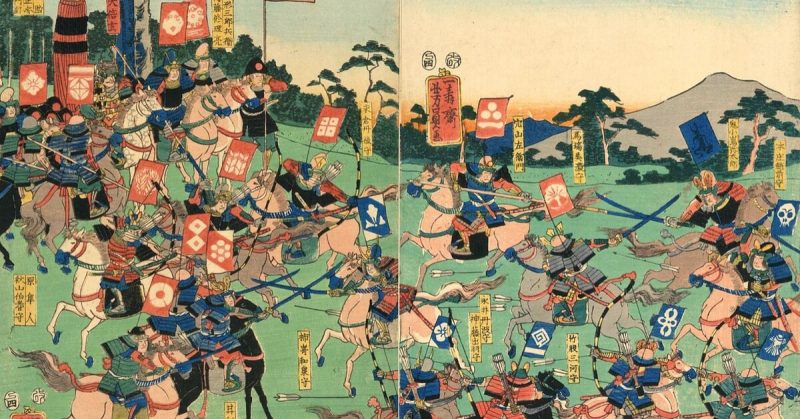
Comprising hundreds of well-equipped ronin and even including a cavalry unit, the band led by Takeshi the Wolf would have been an anomaly during the Sengoku period. While bandit groups with horses did exist, their numbers (from what I’ve been able to research) never reached such heights. The closest historical precedent would be the “Wildcats.”…
-
In a cruel and ruthless world, Zasuro stands out with his unwavering sense of duty and justice: a ray of light cutting through the darkness. Numerous characters find themselves irresistibly drawn to this charismatic prince who grew up as a hostage among his enemies before returning to his people in a daring escape. He’s a…
-
In writing this novel, I broke several rules that every aspiring writer hears from books, courses, and mentors. One of the big ones? Create a protagonist readers can easily relate to. Save the other types, they said, for when you’ve got more experience or a solid track record. I almost centered the novel on a…
-

In 1591, for this Odawara campaign, Ieyasu issued a series of orders that provide insight into the activities of marching samurai armies. The translation is from A. L. Sadler’s biography of Ieyasu.
-

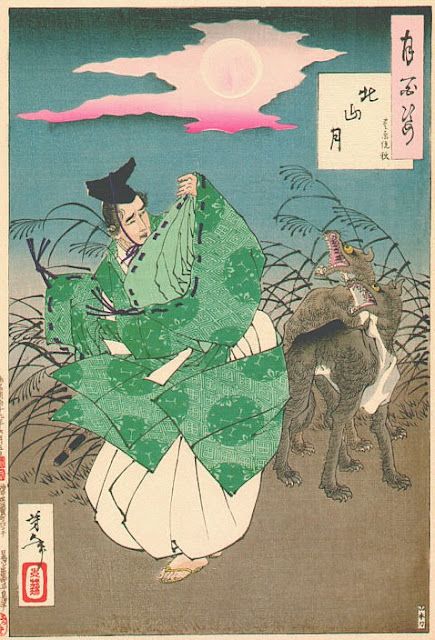
After the siege of Odawara (1590), Ujimasa and his younger brother Ujiteru were forced to commit seppuku. This was Ujimasa’s death poem, translated by A. L. Sadler: Autumn wind of eve,Blow away the clouds that massO’er the moon’s pure lightAnd the mists that cloud our mind,Do thou sweep away as well. Now we disappear,Well, what…
-
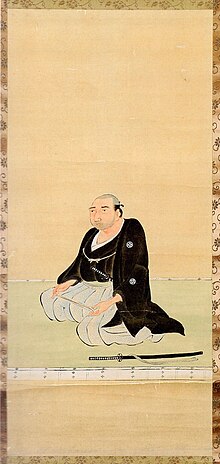
How did samurai looked like after a life of war and fighting during the turbulent Sengoku Jidai Period? When Tokugawa Ieyasu, refused to treat a condition that could end his own life, Honda Shigetsugu, at that time sixty years old, protested his lord’s carelessness with a speech that offered a glimpse on this matter:
-

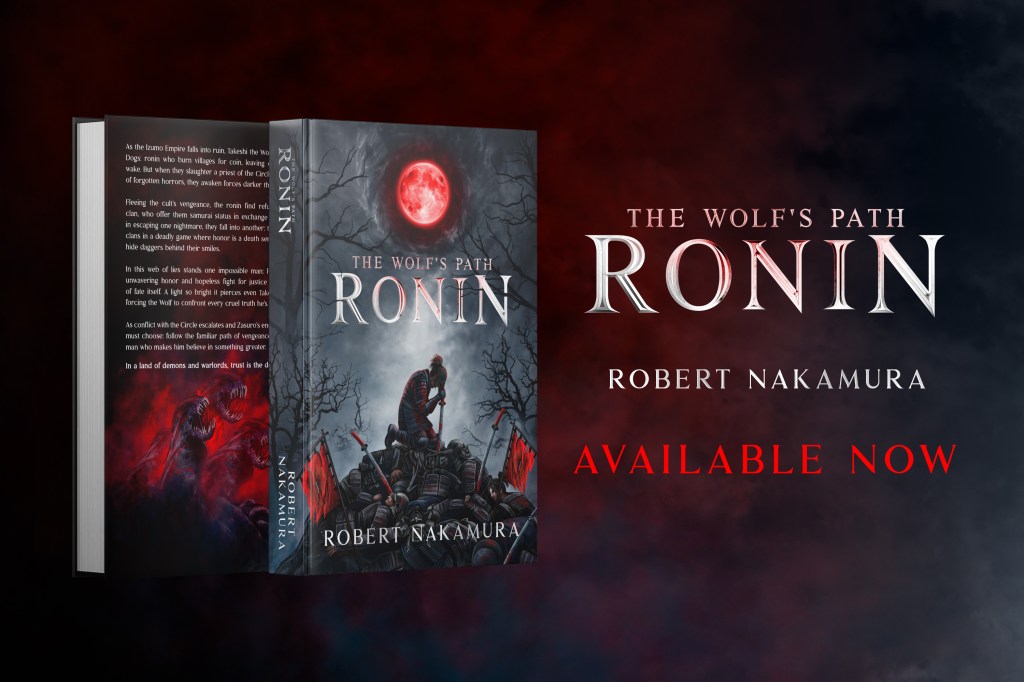
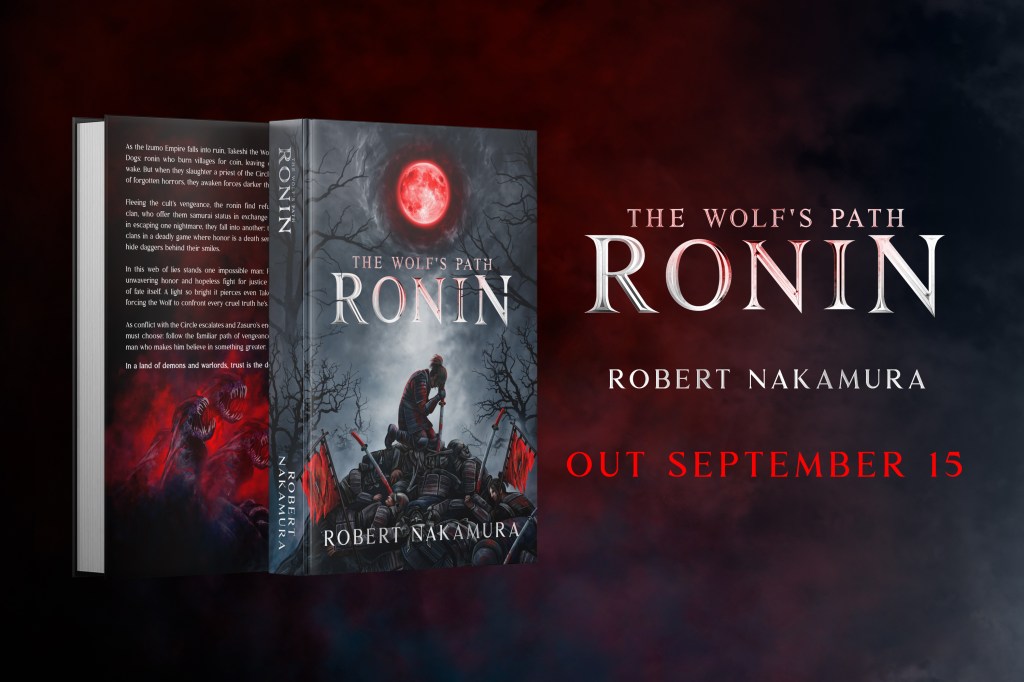
Takeshi the Wolf: Ronin A novel by Robert Nakamura Dear Readers: I am honored to share with you that my first novel is about to be released: Takeshi the Wolf: Ronin, a story that has lived in my mind for years and that I have finally been able to put into words.
-
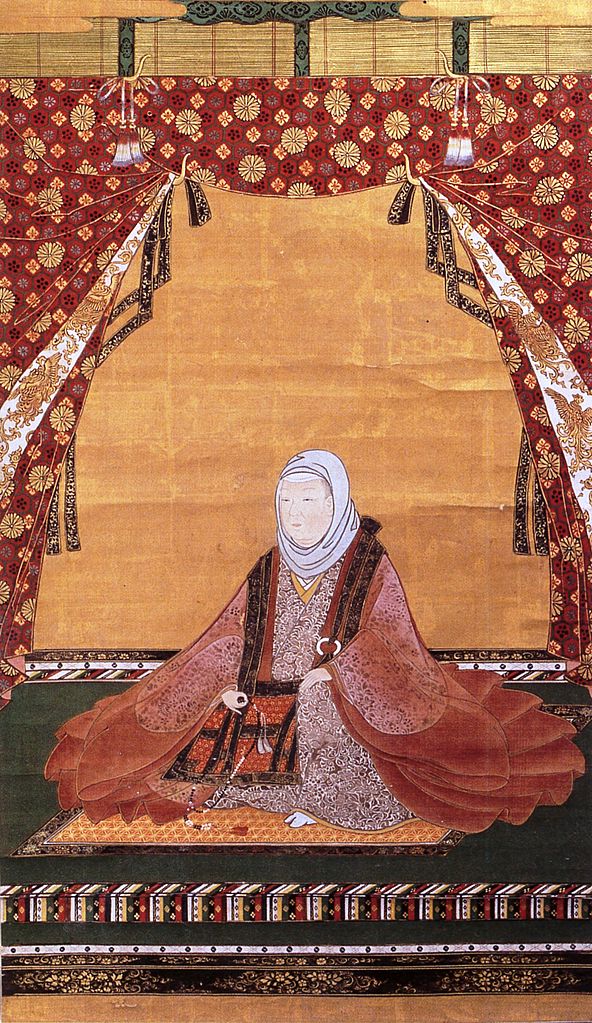
In 1584, two years after Oda Nobunaga’s death, a war broke out between his ally, Ieyasu Tokugawa, and his younger brother, Hashiba Hideyoshi. To end the conflict, Hideyoshi decided to marry his half-sister Asahi-hime to his rival. Nothing new so far: peace and alliances have been sealed with marriages in different times and parts of…
About this site

Welcome to my website. On this site you will find information about my published works (characters, historical details, sources of inspiration, etc.) as well as articles about Sengoku Jidai and samurai history.
Contact
JOIN THE BATTLE
Get notified when Ronin: The Wolf’s Path is available. Brutal samurai warfare meets cosmic horror in this grimdark fantasy debut.