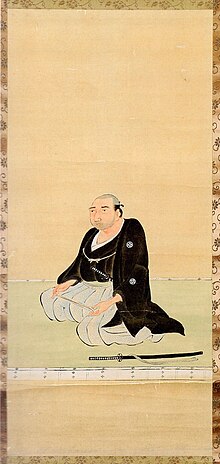
What was the state of samurai after a life of war and battle during the turbulent Sengoku Jidai period? When Tokugawa Ieyasu refused to treat a disease that could end his own life, Honda Shigetsugu, then sixty years old, protested his lord’s negligence with a speech that offers a glimpse into the matter:
If I were a young man of twenty or thirty there might be no need to accompany a heedless master like you, but I am nearly sixty now and from my youth I have been at your side in all your battles. I have lost an eye and some fingers and am lame in one leg from wounds. I have got about all the damages one well can in one body, and it is only owing to my lord’s favour that life is at all tolerable. So if you go to another world I have no support left … It means that your house will be ruined, and then what would become of me, the too old servant of a fallen family? I should be a little better than a beggar.
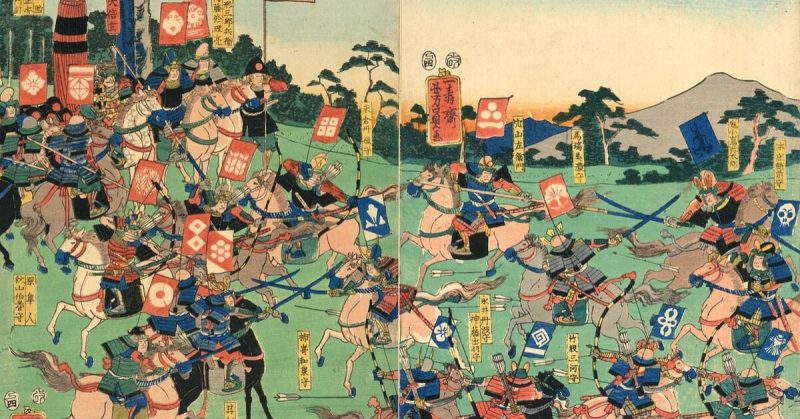
We have many images of young samurai excelling in battle, but fewer descriptions of how they would look after surviving a long military career, and how uncertain their life outcomes could sometimes be.


 Robert Nakamura
Leave a comment